
Chinese Food Culture: Regional Culinary Divides
Exploring Chinese food culture explains why a breakfast in Beijing looks nothing like a breakfast in Guangzhou. This culinary gap defines the Chinese landscape more than any border or wall. China splits its food identity right down the middle based on geography and climate. In the north, people swear by hearty noodles and steamed buns. Meanwhile, southerners rarely consider a meal complete without a bowl of fluffy white rice. This friendly rivalry shapes daily life, family traditions, and local pride across the nation.
Chinese Food Culture: Wheat vs Rice
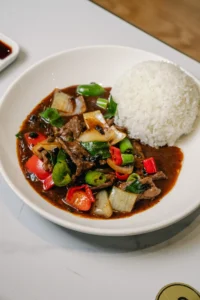 Nature decides what ends up on the dinner table. In fact, scientists often point to the Qinling Mountains and the Huai River as the Great Divide. North of this line, the weather stays cold and dry. These conditions favour hardy crops like wheat, millet, and corn. Consequently, northern kitchens focus on dough-based dishes that provide energy for chilly winters.
South of this line, the environment changes completely. High humidity and heavy rainfall create the perfect setting for emerald-green paddy fields. Farmers here have cultivated rice for thousands of years. Because rice thrives in the heat, it became the undisputed king of the southern diet.
The Northern Soul: Land of the Noodle
If you travel through the north, you will see wheat in every form imaginable. Northerners treat flour like an art medium. They stretch, pull, peel, and cut dough into endless varieties of noodles.
Hand-Pulled Mastery
In cities like Lanzhou, chefs perform incredible stunts with dough. They pull a single lump of wheat into hundreds of thin strands in seconds. These noodles offer a chewy texture that southerners often find heavy. However, northerners love this “toothsome” quality.
Dumplings and Steamed Buns
Beyond noodles, the north celebrates the jiaozi or dumpling. Families gather to wrap these pockets of meat and vegetables during festivals. Additionally, giant steamed buns called mantou serve as the primary bread. These dense treats soak up rich stews and savoury sauces perfectly.
The Southern Staple: A Life Built on Rice
In the south, rice is much more than a side dish. It represents the very essence of a meal. In many local dialects, the word for “food” is the same as the word for “cooked rice.”
The Versatility of Grain
Southerners do not just boil rice; they reinvent it. They grind it into flour to make silky rice noodles or thin crepes. In Guangdong, dim sum chefs steam translucent rice rolls filled with prawns. During breakfast, many enjoy congee, a comforting and watery rice porridge.
Fragrance and Balance
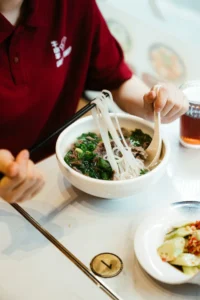 Southern cuisine often tastes lighter and fresher than northern food. Because rice has a neutral flavour, it balances spicy Sichuan peppers or sweet Cantonese sauces. For a southerner, a meal without rice feels like a sentence without a full stop.
Why Chinese Food Culture Matters Today
In summary, even as modern transport brings different foods to every city, the old habits remain strong. A person from Xi’an might still crave a thick noodle bowl after years of living in Shanghai. This divide influences how people socialise and even how they think. Some researchers suggest that the teamwork required for rice farming created a more communal culture in the south.
Ultimately, whether you prefer the bite of a noodle or the softness of rice does not matter. Both traditions offer a window into the rich history of China. Each bowl tells a story of the land, the weather, and the people.