
Chinese Dining Etiquette Flavour of Filial Piety
Chinese dining etiquette shows that in China, a shared meal is never just food; it remains a respectful, cherished ritual. Dinner remains a ritual. It offers a glimpse into a profound cultural bedrock. This foundation is Confucianism. Specifically, the concept of filial piety shapes these moments. This ancient virtue, xiào (孝), demands respect for one’s parents and elders. Consequently, dining practices across the country reflect this deep reverence. Today, even in modern homes, ancient rules still govern who sits where. They also decide who eats first. Let us explore how this powerful philosophy seasons the Chinese dinner table.
Inheriting Respect: Chinese Dining Etiquette and Filial Piety
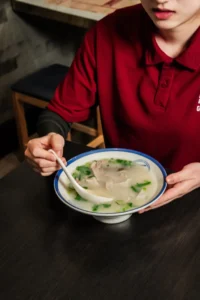 Filial piety forms the very heart of Confucian ethics. Confucius stressed its importance centuries ago. He taught that children must serve their parents dutifully. This service extends beyond simple obedience. It means caring for them in old age. It also involves maintaining family honour. The dinner table becomes a primary stage for performing xiào. Therefore, every action at the meal carries cultural weight.
The Seating Chart of Submission
Upon arriving at the dinner table, the seating arrangement shows hierarchy. Position reflects status and age. This is a critical rule. The seat of honour is generally furthest from the door. It faces the entrance. The oldest or most senior person always takes this place. The most respected guests sit closest to the elder. Similarly, the younger family members or hosts sit nearer the door. This location allows them to serve easily. This custom ensures that the most important person is treated with the highest deference.
How Roles Define Positions
- The head of the household sits at the most prominent spot.
- Elders and guests of honour sit near the head.
- Juniors and children sit at the periphery.
- Hosts position themselves for convenient serving.
This subtle arrangement maintains social order. Furthermore, it reinforces family structure with every meal.
The Art of Serving: Prioritising the Aged in Chinese Dining Etiquette
The order of serving also strongly dictates dinner etiquette. Indeed, juniors never start eating first. They must wait for the eldest to begin. Wait until the senior person picks up their chopsticks. They then say, “Please enjoy your meal.” Furthermore, serving demonstrates respect. Younger family members usually serve tea or pour drinks. Juniors fill the elder’s bowl before their own. These family members also offer the best pieces of food to the seniors. Serving chopsticks or spoons are often used for this purpose. Personal utensils are not used. This action shows consideration and prevents contamination.
This is a quiet, continuous act of homage. Moreover, it teaches children humility. They learn to prioritise others’ needs before their own comfort.
A Shared Feast: Harmony on the Table
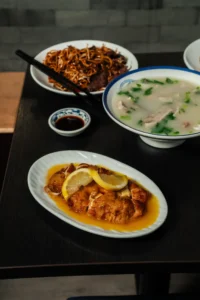 Chinese meals usually feature communal dishes. Everyone shares the food from the centre. This practice further emphasises family unity. However, even within this sharing, filial piety is apparent. A younger person might fetch a specific dish for an elder. For instance, they might retrieve the elder’s favourite steamed fish. They might place a piece gently in the elder’s bowl.
Consequently, dinner is not just about eating. It is about maintaining hé (和), or harmony. The entire meal becomes a non-verbal conversation. Everyone shows love and respect through their actions. Breaking these rules causes great embarrassment. It suggests a lack of proper upbringing.
Modern Life, Ancient Rules of Chinese Dining Etiquette
China’s society continues to change quickly. Younger generations face new cultural pressures. Nevertheless, these Confucian dining rituals persist powerfully. They are not viewed as strict constraints. Instead, people see them as cherished traditions. They connect the present generation to their ancestors. These customs solidify family bonds. Thus, whether in a simple home or a bustling restaurant, the essence remains the same. The principles of filial piety subtly flavour every shared plate. China’s dinner table continues its role. It is a powerful classroom for traditional Chinese values.