
Chinese Cured Pork: Flavour Secrets
Many people absolutely love the rich, wonderful smell of frying Chinese cured pork first thing in the morning. However, you might find that standard supermarket rashers lack a certain depth of flavour. If you want to elevate your cooking, you should look towards East Asia. Chinese bacon, known as Lap Yuk or La Rou, offers a unique culinary experience. This traditional ingredient transforms simple meals into gourmet feasts with its intense aroma. While it shares some traits with Western bacon, the production methods create a completely different product. You will find this cured meat in most Asian supermarkets or specialty food shops today. Understanding its history and preparation will help you appreciate why many chefs prefer it.
The Ancient Origins of Cured Pork
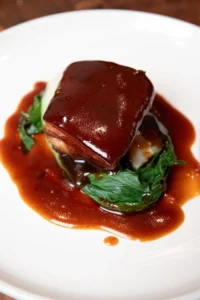 You might think that bacon is a modern Western invention for breakfast. In reality, the Chinese people have cured pork for thousands of years. Historians track the origins of these techniques back to 1500 B.C. in Southern China. Farmers needed to preserve meat during the cold winter months for later use. Consequently, they developed complex air-drying and smoking methods to keep the pork safe. These ancient traditions still influence how producers make Lap Yuk in the modern world. While American bacon only gained its current form recently, Chinese methods have centuries of refinement. This long history ensures a product with incredible complexity and a very rich heritage.
Key Differences in Production
The Importance of the Rind
When you buy British or American bacon, the butcher usually removes the tough outer skin. However, Chinese producers always leave the rind on the pork belly. This choice adds a wonderful chewy texture to the finished dish after cooking. It also helps the meat hold its shape during long steaming or braising processes. You will notice a distinct “bite” that makes the eating experience much more interesting.
Dry Curing Versus Wet Curing
Most commercial bacon undergoes a “wet cure” where factories inject brine into the meat. This process happens quickly but often results in a watery product that shrinks in the pan. In contrast, Lap Yuk uses a traditional “dry cure” method. Artisans rub a mix of salt and spices directly onto the surface of the pork. Afterwards, they hang the meat to air-dry in cool, breezy conditions for several days. This slow dehydration concentrates the natural sugars and proteins within the muscle fibres. Therefore, the final product possesses a much deeper and more concentrated salty-sweet profile.
A Symphony of Bold Seasonings
The seasoning profile sets Chinese bacon apart from any other cured meat on the market. Western versions usually focus on salt, sugar, and perhaps a hint of hickory smoke. Meanwhile, Chinese recipes involve a complex blend of aromatic ingredients. Producers often use potent Chinese rice wine, high-quality soy sauce, and star anise. You might also taste hints of cinnamon, cloves, and numbing Sichuan peppercorns in certain regional varieties. Cantonese styles tend to be sweeter, whereas Sichuan versions offer a smokier and spicier kick. These ingredients penetrate deep into the fat, creating a fragrant oil when you heat the meat.
How to Cook with Chinese Bacon
Steaming and Blanching
 You cannot simply throw a cold slice of Lap Yuk into a frying pan. Because the meat is quite hard, you must prepare it properly first. Most cooks recommend soaking the bacon in water to remove excess salt. Afterwards, you should blanch the slices in boiling water for five minutes to soften the texture. Once softened, you can steam the meat over aromatics like ginger and spring onions. Placing a layer of sliced potatoes underneath the meat helps to catch the delicious melting fat.
Enhancing Simple Grains
One of the easiest ways to enjoy this ingredient is by adding it to rice. Simply place a few slices on top of your white rice before you start the rice cooker. As the grains steam, they absorb all the smoky and salty juices from the pork. This technique creates a “clay pot” style flavour with almost no extra effort. Alternatively, you can stir-fry the blanched bacon with crunchy cabbage and dried chillies. The fat coats the vegetables, providing a savoury richness that soy sauce alone cannot achieve. You will soon find that this versatile ingredient becomes a staple in your kitchen cupboards.