
Glass Oven Dish Foods to Avoid
Many home cooks rely on a sturdy glass oven dish for its incredible versatility and long-lasting daily durability. These pans work brilliantly for certain recipes like lasagnes or acidic tomato-based traybakes. However, glass reacts differently to heat than metal or ceramic cookware. Using glass for the wrong food can lead to soggy textures or even dangerous kitchen accidents. You must understand the limits of your glassware to keep your cooking safe and delicious. This guide explores which foods you should never prepare in a glass dish.
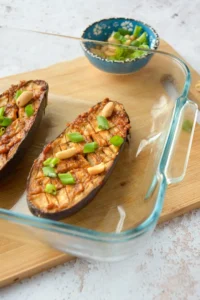
High Heat and Your Glass Oven Dish
Avoid the Broiler
You should never put a glass dish under a grill or broiler. Even if the label says the dish is oven-safe, it cannot handle extreme, direct heat. Most glass pans can only withstand temperatures up to 218 degrees Celsius. Broilers often reach much higher temperatures than a standard oven setting. The intense heat causes the glass to expand unevenly, which often leads to the dish shattering.
Roasted Vegetables
Do you love crispy roast potatoes or crunchy cauliflower? If so, you should reach for a metal tray instead of a glass one. Glass is a poor conductor of heat and does not get hot enough to caramelise vegetables quickly. Furthermore, the high sides of glass dishes trap steam around the food. This moisture prevents your vegetables from becoming crisp. Instead, you will likely end up with soft, steamed vegetables that lack that golden finish.
Baking Challenges
Artisan Breads
Baking crusty sourdough or rustic loaves requires very high initial temperatures. Most professional bread recipes demand heat that exceeds the safety limits of glass. Additionally, glass does not provide the quick heat transfer needed for a crunchy bottom crust. If you use glass for artisan bread, your loaf may stay pale and doughy. Stick to cast iron or heavy metal tins for the best results.
Biscuits and Sugary Treats
Sugar melts quickly and needs a hot surface to set properly. When you bake biscuits on a glass tray, the dough often spreads too much before the base cooks. This happens because glass takes a long time to heat up compared to metal. You might also find that brownies become too dense in a glass pan. For a light texture and perfect shape, metal remains the superior choice for sweet treats.
Glass Oven Dish Safety and Maintenance
Dry Roasting Issues
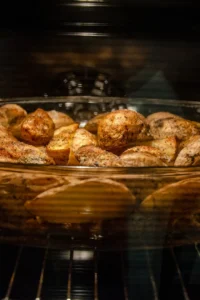 You should avoid using glass for dry roasting tasks like toasting nuts or seeds. Glass pans require some form of liquid or fat to distribute heat evenly across the surface. Without oil or water, the glass develops “hot spots” where the food touches it. These uneven temperatures put immense stress on the material. This stress can cause the glass to crack or explode during or after cooking.
Thermal Shock
Glass is very sensitive to sudden changes in temperature. This phenomenon is known as thermal shock. You must never add cold liquids to a hot glass dish. Similarly, do not place a hot dish directly onto a cold marble worktop or into a sink of water. Always allow the dish to cool down naturally on a wooden board or a dry towel. All in all, taking these small steps will ensure your favourite glassware lasts for many years.
Final Kitchen Wisdom
In summary, glass dishes are fantastic tools for slow-cooked casseroles and acidic recipes. However, they are not universal pans for every cooking method. You must respect the temperature limits and heat transfer properties of the material. By choosing metal for roasting and baking, you ensure better flavours and textures. Most importantly, following these simple rules prevents dangerous breaks and keeps your kitchen safe. Choose the right tool for the job to achieve the best culinary results every time.