
Wild Mushroom Foraging in Southwest China
Every summer, the misty mountains of Yunnan province transform into a high-stakes marketplace for wild mushroom foraging and trade. As the monsoon rains arrive, local villagers prepare for a frantic and profitable season. They hunt for “mountain gold” hidden beneath the damp pine needles and forest floor. This annual event draws thousands of foragers into the deep wilderness of Southwest China.
The Crown Jewel of the Forest
 The Matsutake mushroom reigns supreme in this seasonal rush. Chefs across Asia prize this fungus for its spicy, woody aroma. However, these mushrooms only grow in specific conditions near the roots of ancient trees. Consequently, their rarity drives prices to incredible heights during the peak months.
Local families wake up before dawn to begin their ascent. They trek for hours into high-altitude forests to find the best specimens. Because Matsutake mushrooms are sensitive to light, foragers must find them quickly. A single high-quality bulb can sometimes fetch more than a week’s standard wages.
Wild Mushroom Foraging for Termite Mushrooms
While Matsutake holds the fame, the Termite mushroom offers its own unique rewards. These fungi share a fascinating relationship with underground termite colonies. The insects actually cultivate the mushrooms within their mounds for food. Eventually, the mushrooms sprout above the soil after heavy rainfall.
Foragers look for specific mounds hidden in the thick brush. Since these mushrooms grow in clusters, finding one often leads to a massive haul. However, competition remains fierce among the local villagers. Therefore, many families guard their secret “spots” with great intensity every year.
A Dangerous Path to Profit
The mushroom gold rush involves significant physical risks for everyone involved. Foragers face steep cliffs, slippery slopes, and unpredictable mountain weather. Furthermore, the forests house venomous snakes and stinging insects that thrive in the humidity.
- Treacherous Terrain: Hikers often navigate vertical slopes without professional safety gear.
- Wildlife Encounters: Close brushes with bears or wild boars occur frequently in remote areas.
- The Poison Risk: Foragers must distinguish between edible gems and deadly lookalikes.
Despite these dangers, the financial lure keeps the crowds coming back. For many rural families, this season provides their main source of yearly income. Thus, they accept the risks as a necessary part of their mountain life.
Wild Mushroom Foraging for Luxury Plates
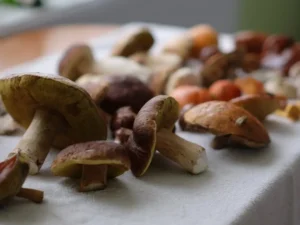 Speed defines the success of the Yunnan mushroom trade. Once picked, the mushrooms begin to lose their potent flavour and firm texture. Logistical teams work around the clock to transport the harvest from remote peaks to city markets.
In Kunming, the provincial capital, massive wholesale markets buzz with activity at midnight. Traders negotiate prices with lightning speed under bright lanterns. Subsequently, the finest mushrooms fly to Tokyo, Seoul, and Shanghai within twenty-four hours.
Preserving the Mountain Gold
Over-harvesting now threatens the future of this lucrative industry. As demand grows, some pickers take young mushrooms before they can release spores. Consequently, local governments now introduce new rules to protect the delicate ecosystem.
Sustainable picking ensures that the “gold rush” continues for future generations. Many villages now rotate their foraging zones to let the land recover. These efforts help maintain the balance between human profit and natural beauty.