
Regional Chinese Cuisine on the Rise
Global palates now actively seek out authentic regional Chinese cuisine to experience diverse, specific, and unique culinary traditions. We move beyond the broad strokes of ‘Chinese’ or ‘Italian’ food. Today, diners actively seek out regional micro-cuisines. These focus on highly specific, less-known culinary traditions. This exciting shift highlights diverse cooking methods and ingredients. It rewards curious food lovers with truly authentic experiences. We are now digging deeper into a destination’s unique culinary soul. This exploration reveals fascinating, delicious differences.
Uncovering Depth in Regional Chinese Cuisine
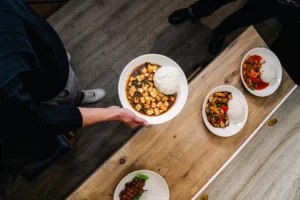 Previously, a few well-known styles dominated international menus. Now, specific areas claim their rightful place in the culinary spotlight. Consider the vastness of Chinese food, for instance. It is certainly too diverse to capture with one name. Therefore, micro-cuisines like Shunde, Chaoshan, and Shaanxi emerge as distinctive culinary forces. Each offers a unique window into local history and geography. These traditions possess a rich, singular identity.
Shunde: The Home of Cantonese Mastery
Shunde lies near Guangzhou in Guangdong province. It rightly claims the title “The Home of Cantonese Cuisine.” Shunde chefs focus fiercely on ingredient quality. They employ simple, precise cooking techniques. Consequently, the natural flavour of the produce shines through. Freshness is undoubtedly paramount here. Cooks often prepare dishes tableside. They are masters of dairy, especially. Furthermore, they create delicate desserts. Shunde cooks expertly prepare simple seafood dishes. These skills contrast with the bolder flavours found elsewhere. Double-skin milk pudding is a particularly famous example. The region offers profound insights into true Cantonese skill. Therefore, many regard Shunde as an essential food destination.
Chaoshan: A Unique Regional Chinese Cuisine
Moving to eastern Guangdong, we find Chaoshan cuisine. This area includes the cities of Chaozhou and Shantou. Chaoshan food reflects its coastal location. It often features fresh seafood prominently. However, its methods differ greatly from Cantonese styles. Chaoshan cooks rely on subtle seasoning. Consequently, they preserve the ingredient’s ocean sweetness. Beef hotpot is one signature dish. Thinly sliced beef cooks quickly in a clear broth. The cuisine also includes an array of cold starters. These are served alongside robust rice porridge. Moreover, a powerful tea culture complements every meal. In this way, Chaoshan food offers delicate, refined flavours.
Shaanxi: A Culinary Journey to the North
Shaanxi province in North Central China tells a completely different story. Its cuisine relies heavily on wheat. Accordingly, noodles and flatbreads form the backbone of Shaanxi food. This reflects the region’s agricultural landscape. Dishes often feature tangy, spicy, and sour notes. Furthermore, cooks use a plentiful amount of garlic and chilli. Biang Biang noodles are incredibly famous. These thick, belt-like noodles are hand-pulled. They are frequently served with rich, flavourful sauces. Another popular dish is rou jia mo. This is a Chinese street food. It features savoury meat in baked bread. Subsequently, Shaanxi food offers hearty, comforting fare.
The SEO-Friendly Appeal of Specificity
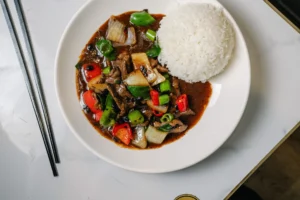 Restaurant reviewers and food bloggers appreciate this shift. They can now offer highly specific content. Searches for “Shunde restaurants London” are becoming more common. This specificity aids search engine optimisation (SEO). Also, it meets the demand of informed consumers. People want authentic, detailed information now. Therefore, featuring micro-cuisines generates valuable interest. It also attracts niche audiences. This trend highlights a future. In this future, depth and specificity dominate the food world. Thus, the pursuit of regional micro-cuisines offers endless discovery.
The Future of Regional Chinese Cuisine
This micro-cuisine movement is still gaining momentum. It encourages a deeper appreciation for global food. Furthermore, it supports smaller regional culinary identities. We must continue to explore these traditions. By doing so, we enjoy richer, more authentic dining. The next undiscovered micro-cuisine surely awaits.