
Chinese Table Etiquette: Stopping the Spin
The brilliant Chinese revolving table invention requires you to master proper Chinese table etiquette for a smooth meal. It makes sharing food easy. You simply spin the centre to bring dishes closer. However, this simple action holds hidden etiquette rules. Understanding these rules is key to a smooth, enjoyable meal. Mastering the ‘lazy Susan‘ spin shows respect for your hosts and fellow diners. If you are new to Chinese dining, this guide is essential. Read on to learn how to navigate the communal table with grace.
Mastering the Rotation: Basic Chinese Table Etiquette
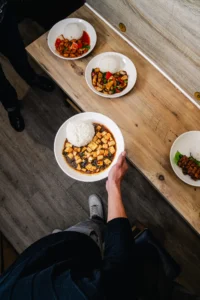 The revolving table, often called a lazy Susan, demands careful handling. Firstly, always wait for the host or the eldest person to start. They often signal when everyone should begin eating. Never spin the table while someone is serving themselves. This is very poor form. Wait patiently until they finish taking food.
Furthermore, avoid spinning the table too quickly. A fast spin can slosh soup or knock over glasses. Use a gentle, controlled push. The goal is a slow, steady rotation. This ensures all diners can safely access the food.
Directing the Dish: Sharing Principles
Think about the most direct route. Send the dish straight to the person who asked for it. Do not stop the rotation midway to take a spoonful. After they serve themselves, then you can rotate it back.
Therefore, spin the table only when necessary. Constant spinning disrupts the flow of conversation. It also makes others feel rushed. Be mindful of everyone’s needs.
Navigating the Spin: Chinese Table Etiquette and the ‘No-Spin Zone’
A critical rule involves the ‘no-spin zone.’ Never take the last piece of a dish. Instead, leave the final morsel. This shows you are considerate. Also, it suggests the host provided plenty of food.
Moreover, avoid placing non-food items on the lazy Susan. This includes personal belongings like phones or keys. The revolving centre is strictly for serving dishes. Keep your personal items on the fixed table surface. Similarly, never use the serving chopsticks to eat directly. Use them only to transfer food to your own plate. This maintains hygiene for everyone.
Chopsticks and Etiquette: Showing Respect
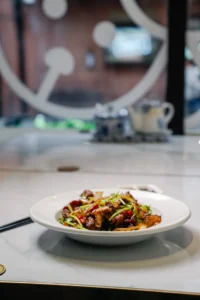 Your personal chopsticks have their own set of rules. Do not point with your chopsticks. This gesture is considered rude. Additionally, never stick your chopsticks upright into your rice bowl. This reminds people of incense at a funeral. It is a very bad omen.
Therefore, rest your chopsticks on the chopstick when you pause. If a rest is unavailable, place them neatly on the side of your dish. Always offer the best pieces of food to elders first. This simple act shows deep respect. It is an important part of Chinese culture.
Ending the Meal: Final Act of Grace in Chinese Table Etiquette
As the meal nears its end, do not spin the table anymore. This helps signal that dining is finishing. The host often takes the lead in winding down. Thank your hosts sincerely for the wonderful meal. Expressing gratitude is always good form.
In conclusion, the Chinese revolving table is a fantastic social device. However, it requires a little thought and politeness. Following these hidden rules will enhance your dining experience. It will also impress your Chinese friends or colleagues. Enjoy your next communal feast with confidence and style.