
Modern Chinese Dining: A New Chapter
Modern Chinese dining has entered a thrilling new era, blending tradition, innovation, and global sophistication in every dish. Once defined by tradition and comfort, it now reflects global sophistication and creativity. Across cities like London, New York, and Paris, talented Chinese chefs are reshaping expectations. They combine ancient culinary philosophies with modern presentation and global ingredients. As a result, Chinese cuisine abroad is no longer just familiar – it’s truly world-class.
Modern Chinese Dining: Blending Tradition with Innovation
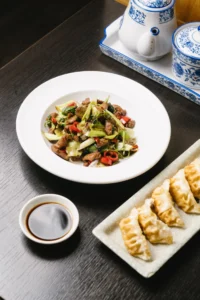 Modern Chinese fine dining embraces innovation while respecting its roots. Chefs experiment with molecular techniques, regional reinterpretations, and artistic plating. Yet, they never lose sight of balance, symbolism, or texture – the soul of Chinese cooking.
For example, many upscale restaurants reinterpret classic dishes such as dim sum or Peking duck with fresh twists. Some pair these with Western ingredients or local produce, creating a new cross-cultural identity. This approach appeals to both Western diners and global Chinese communities who value authenticity but crave novelty.
Moreover, technology plays a key role. From AI-assisted kitchen operations to precision cooking tools, restaurants use innovation to maintain consistency and elevate presentation. This combination of art and precision ensures each dish looks as good as it tastes.
The Rise of Regional Representation
In the past, many Western diners saw Chinese cuisine as one broad category. Today, that perception is changing fast. Regional diversity has taken centre stage.
High-end restaurants abroad now showcase the individuality of China’s provinces – Sichuan heat, Cantonese finesse, or Shanghainese sweetness. This growing curiosity allows diners to explore flavours beyond the familiar. As a result, menus have become cultural journeys rather than mere dining experiences.
Furthermore, regional pride drives authenticity. Chefs trained in specific traditions share stories through their dishes. They highlight local ingredients, ancient cooking methods, and family recipes passed down for generations. This storytelling approach transforms a meal into an emotional connection with heritage.
Modern Chinese Dining: Sustainability and Conscious Dining
Sustainability has become an essential part of fine dining worldwide, and Chinese cuisine is no exception. Forward-thinking chefs prioritise seasonal, responsibly sourced ingredients. They collaborate with ethical farms and suppliers to reduce waste and carbon impact.
For instance, many restaurants replace imported produce with local alternatives without losing authenticity. They adapt recipes to local climates and resources while staying true to flavour. Additionally, some chefs reintroduce forgotten vegetables and grains once popular in traditional Chinese diets.
This mindful approach aligns with the philosophical roots of Chinese cooking, where balance and harmony guide every decision. Thus, sustainability is not just a modern trend – it feels naturally Chinese.
Presentation as a Storytelling Tool
Modern Chinese fine dining places strong emphasis on presentation. Each plate tells a visual story inspired by art, history, and emotion. Minimalist plating, elegant porcelain, and symbolic colour contrasts replace old-fashioned lavish displays.
For example, jade-green sauces might symbolise prosperity, while delicate gold accents represent celebration. Diners no longer just eat – they experience a sensory narrative. Every course unfolds like a poetic sequence, blending flavour, form, and feeling.
This thoughtful presentation bridges East and West. It mirrors the global language of fine dining while preserving Chinese artistry. In turn, it elevates perception and builds respect for Chinese culinary culture abroad.
Modern Chinese Dining: The Role of the Next Generation
The future belongs to young Chinese chefs who grew up between cultures. Educated in Europe or North America, they blend technical mastery with deep cultural understanding. Their confidence fuels creativity.
These chefs are not afraid to experiment. They might pair Sichuan pepper with truffle or design cocktails using oolong tea and gin. Through innovation, they redefine what “Chinese fine dining” means for a global audience.
Furthermore, digital influence strengthens their impact. Social media platforms allow chefs to share their philosophy and aesthetics instantly. Diners discover Chinese fine dining through vibrant visuals and authentic stories, making cuisine more accessible than ever.
Beyond the Plate: Experience Matters
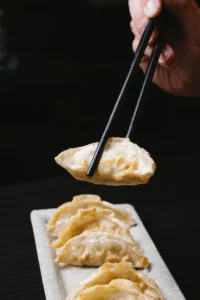 Today’s diners seek more than just exquisite food – they crave an immersive journey. Hence, restaurants create experiences that engage all senses. From elegant interiors inspired by Chinese landscapes to curated soundscapes and tea pairings, every detail matters.
Additionally, service styles evolve. Staff act as cultural guides, explaining symbolism and history behind each dish. This personal approach makes fine dining both educational and emotionally rewarding. As a result, guests leave with memories, not just satisfied appetites.
Global Recognition and Future Growth
Chinese fine dining abroad is finally receiving global recognition. Michelin-starred restaurants like London’s A. Wong and Hong Kong’s overseas expansions prove that excellence knows no borders.
Looking ahead, the future shines bright. More cities will welcome refined Chinese restaurants that challenge perceptions and celebrate authenticity. As global diners grow more adventurous, appreciation for Chinese culinary artistry will continue to rise.
Moreover, collaborations between Chinese and international chefs will expand boundaries further. These partnerships will inspire fusion concepts while keeping respect for origin intact. Consequently, Chinese cuisine will strengthen its place among the world’s most influential culinary movements.
Conclusion: A Future Rooted in Culture and Creativity
The future of Chinese fine dining abroad lies in balance – between innovation and tradition, sustainability and indulgence, East and West. As chefs continue to refine their craft, the world will experience Chinese cuisine not just as food, but as art, philosophy, and identity.
Ultimately, Chinese fine dining’s evolution abroad is a story of pride and progress – a testament to how timeless flavours can shape a global future.