
Chinese Black Beans in Traditional Cooking
Chinese black beans have earned global recognition, celebrated in stir-fries, braises, and sauces across Chinese culinary traditions. Yet in Chinese cuisine, they are transformed into something far more complex than just a hearty side dish. Known for their savoury depth and bold umami notes, black beans become the heart of countless regional recipes – from sizzling stir-fries to aromatic braises. Getting them right, however, depends heavily on the ingredients used alongside them. Some elements bring balance, while others risk overpowering the natural character of the beans.
This exploration dives into the flavours and methods that can make or break a black bean dish, particularly when seen through the lens of Chinese cooking traditions.
The Role of Fermented Chinese Black Beans
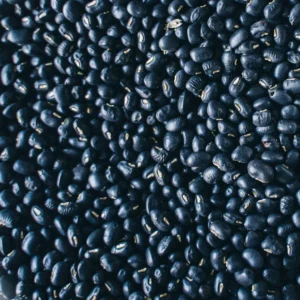 Unlike the common cooked or canned black beans seen in Western dishes, Chinese kitchens often use douchi – fermented black beans. These tiny, salted beans are rich with umami and add depth to sauces, marinades, and soups. They are the base of the classic black bean sauce, a staple in Cantonese cuisine, often paired with seafood or chicken.
The fermentation process intensifies flavour, which means balance is essential. Too heavy a hand and the dish risks becoming overly salty or harsh. Used sparingly, however, fermented black beans bring out layers of richness unmatched by any other seasoning.
Aromatics That Build the Foundation
Every memorable black bean dish in Chinese cooking begins with aromatics. Garlic is often the star, joined by ginger and spring onions. Together, these ingredients create a fragrant foundation that enhances rather than masks the natural intensity of the beans.
- Garlic: When fried gently, it softens into a sweet, nutty base. Added later, it offers a sharper punch.
- Ginger: Its warming spice cuts through the saltiness of fermented beans, keeping flavours lively.
- Spring Onions: These provide freshness and a hint of sweetness, preventing dishes from becoming too heavy.
The technique matters just as much as the ingredient. Slow cooking draws out subtle sweetness, while a quick fry keeps flavours bold and immediate.
Chinese Black Beans with Oils and Fats
In Mexican cooking, pork lard is a classic for black beans, lending richness and depth. In Chinese kitchens, however, sesame oil and pork fat play an equally important role.
- Sesame Oil: Just a drizzle towards the end of cooking brings nutty warmth and a glossy finish.
- Pork Fat: Used in traditional recipes, it creates a velvety mouthfeel that lingers with every bite.
The choice of fat can define the entire character of the dish. While neutral oils allow the beans to dominate, richer fats turn them into a luxurious centrepiece.
Balancing Flavour with Heat and Spice
Chinese black bean dishes often carry a punch of spice. Dried chillies, Sichuan peppercorns, and even fresh green peppers are added to wake up the palate. Heat cuts through the dense umami of fermented beans, making the dish lively rather than heavy.
A good example is Sichuan’s famous dou chi yu (fish with black bean sauce), where chillies and peppercorns create a numbing heat that dances around the bold sauce. Without this contrast, the beans alone could feel overwhelming.
The Power of Chinese Black Beans Pairings
 Fermented black beans rarely work in isolation. They shine brightest when paired thoughtfully:
- Seafood: Prawns, clams, and white fish benefit from the salty depth of black bean sauces.
- Meat: Pork ribs or chicken wings are often braised slowly with beans, resulting in comforting dishes full of flavour.
- Vegetables: Aubergine, bitter melon, and green beans balance the richness of fermented black beans with freshness and texture.
These combinations ensure the beans act as flavour enhancers rather than dominating the entire dish.
A Note on Technique: Timing Is Everything
The way black beans are introduced into a dish can alter the outcome entirely. Added early, they integrate smoothly with the sauce. Introduced towards the end, they stand out more distinctly, offering bursts of umami in every bite.
In classic stir-fries, beans are fried briefly with garlic and ginger before the main ingredients are added, ensuring the sauce clings to every morsel. In braises, they simmer slowly, mellowing into a deep background flavour.
Avoiding Chinese Black Beans Pitfalls
Even with the best ingredients, mistakes can ruin a black bean dish. Adding too much salt, forgetting aromatics, or neglecting balance can all leave the dish feeling flat or overpowering. Another common error is discarding bean liquid (in the case of canned beans) or soaking fermented beans excessively, which can strip away their intensity.
The secret lies in restraint and harmony – giving each element its role without overshadowing the beans themselves.
Black Beans as a Complete Experience
In Chinese culinary traditions, black beans are not merely an addition to a recipe; they often define the dish itself. From smoky stir-fries to slow-simmered braises, they provide a sense of completeness. When paired with the right aromatics, oils, and spices, they create dishes that feel balanced, nourishing, and unforgettable.
Whether it’s the pungent kick of garlic, the silkiness of sesame oil, or the numbing heat of Sichuan pepper, each ingredient contributes to making black beans a star of the table.