
Interactive Hotpot Dining: The Social Side
Interactive hotpot dining has become one of the most loved ways to enjoy Chinese dining with friends and family. This simple yet deeply communal tradition goes beyond food. Friends, families, and even colleagues gather around simmering pots of broth, sharing both ingredients and stories. The result is not just a meal but an experience filled with warmth, laughter, and connection.
What Makes Hotpot Special?
Hotpot is more than cooking at the table. Instead, it represents sharing, interaction, and togetherness. Everyone dips ingredients into a bubbling pot. Choices vary, but they often include thin slices of meat, seafood, vegetables, and tofu. Each person cooks food at their own pace, creating a relaxed atmosphere. Moreover, dipping sauces add creativity, as each guest can create a flavour that suits them.
A Tradition with Interactive Hotpot Dining Roots
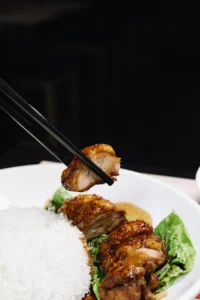 Hotpot dates back over a thousand years. Originating in Northern China, it started as a warming meal for cold winters. Over time, it spread across the country and adapted to local tastes. For example, Sichuan hotpot became famous for its spicy broth. Meanwhile, Cantonese hotpot kept lighter flavours, often featuring seafood. Therefore, hotpot reflects regional cultures as well as social customs.
The Social Element of Dining
A Meal that Connects People
Unlike quick meals, hotpot encourages time together. Guests sit close, waiting for food to cook, and chatting naturally. This slow pace builds stronger bonds. In fact, hotpot often turns into an evening-long gathering.
Equality at the Table
Everyone shares the same pot, which creates a sense of fairness. No one owns a dish, and everyone takes part equally. As a result, hotpot strengthens unity and prevents anyone from feeling left out.
Celebrations and Family Gatherings
Hotpot often features during Lunar New Year, birthdays, or casual reunions. The ritual of sharing broth and food symbolises harmony and prosperity. It is both festive and meaningful.
Modern Interactive Hotpot Dining in Everyday Life
A Growing Global Trend
Today, hotpot restaurants thrive across the world. London, Manchester, and Birmingham all boast vibrant Chinese hotpot spots. Many diners enjoy its interactive style, making it popular beyond the Chinese community.
A Flexible and Healthy Choice
Hotpot allows customisation for every preference. Meat lovers, vegetarians, and pescatarians can all find something to enjoy. Furthermore, the broth-based cooking often feels lighter compared to fried dishes. Therefore, hotpot suits health-conscious eaters as well.
Technology and Hotpot Dining
Modern restaurants add technology to the tradition. Some offer individual pots with adjustable heat. Others feature digital menus where diners select ingredients by tablet. Although the tools have changed, the heart of hotpot remains social.
How to Enjoy Hotpot at Home
Hosting a hotpot at home is easy and enjoyable. First, choose a pot with a divider to allow different broths. Then prepare a mix of meats, vegetables, and noodles. Finally, create dipping sauces using sesame, soy, garlic, or chilli. Guests will have fun experimenting and building their favourite combinations. Above all, keep the table full and the conversation flowing.
Why Interactive Hotpot Dining Appeals to All Ages
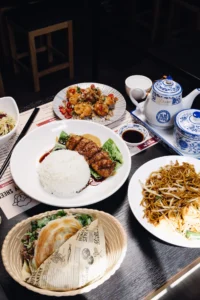 Hotpot’s charm lies in its inclusivity. Children can cook mild ingredients at their own pace. Adults can spice up their side of the pot. Grandparents often enjoy guiding younger diners through traditions. In short, hotpot bridges generations.
Looking Ahead: Hotpot in the Future
Hotpot continues to evolve. Restaurants are experimenting with fusion flavours, combining Chinese broths with Japanese or Korean ingredients. At the same time, sustainable choices such as plant-based meats are entering menus. Therefore, hotpot is adapting while preserving its communal spirit.
Conclusion
Hotpot is not only about food. It is about people, culture, and connection. With every shared pot, laughter and stories fill the table. Whether at home or in a restaurant, hotpot remains a dining experience where relationships grow stronger. That is why hotpot holds such a special place in Chinese dining culture.