
Luxury London Chinese Dining Excellence
Discover modern gastronomy through luxury London Chinese dining. Experience authentic flavours and true culinary elegance. The global fine Chinese dining sector recently experienced 41% growth.
Consequently, people often ask what makes this cuisine so special. Fine Chinese dining combines ancient imperial traditions with flawless execution.
Furthermore, brilliant chefs use premium ingredients to craft unforgettable experiences. Diners easily discover complex flavours, deep heritage, and unmatched elegance.
The Global Impact of Luxury London Chinese
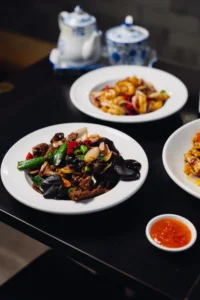
Historically, grand imperial banquets established the foundation for modern menus. Emperors demanded absolute perfection from their royal chefs centuries ago.
Consequently, these royal cooks sourced extremely rare culinary items eagerly. They also incorporated exotic spices to demonstrate immense imperial wealth.
Today, however, international audiences enjoy these historically rich culinary treasures. Many prestigious restaurants now hold coveted Michelin stars across Europe.
Diverse Regions Create Unique Profiles
Naturally, China features an incredibly vast and diverse geographical landscape. Therefore, distinct regional variations provide immense depth to high-end menus.
For instance, Cantonese chefs prioritise ultimate freshness and subtle balance. They steam delicate seafood perfectly to highlight clean, natural tastes.
Conversely, Sichuan cooking delivers intense heat and thrilling complex spices. Chefs there utilise fiery chillies and unique numbing peppercorns brilliantly.
Northern and Eastern Culinary Styles
Meanwhile, Shanghainese creators focus heavily on rich, deeply sweet notes. They frequently employ premium soy sauce and aged rice wine.
Additionally, northern regions offer incredibly comforting, expertly folded handmade dumplings. Altogether, these distinct regional identities build a spectacular dining landscape.
Presentation Enhances Luxury London Chinese Dining
Importantly, visual aesthetics play a crucial role in luxury gastronomy. Chefs arrange colourful ingredients to symbolise harmony, prosperity, and joy.
For example, serving a whole fish represents family unity clearly. Furthermore, perfectly round plates signify ultimate completeness and total satisfaction.
Modern Techniques Transform Classic Dishes
Presently, forward-thinking chefs embrace exciting new global cooking methodologies eagerly. They seamlessly blend authentic recipes with cutting-edge molecular gastronomy techniques.
Consequently, diners experience familiar comforting flavours through striking new textures. Restaurants present traditional Peking duck alongside luxurious truffle-infused dim sum.
Perfect Pairings Elevate the Flavours
Traditionally, premium tea always accompanies a lavish Chinese feast naturally. Servers pour delicate jasmine or earthy pu-erh to cleanse palates.
However, contemporary luxury venues also embrace sophisticated wine pairing options. Expert sommeliers match spicy dishes with crisp, refreshing European Rieslings.
Similarly, a smooth Pinot Noir complements rich, roasted meats perfectly. Thus, this thoughtful beverage fusion creates a truly global journey.
Building Community Through
Shared Meals
Ultimately, this beautiful dining style always promotes strong social connections. Guests share multiple courses slowly while engaging in meaningful conversations.
Therefore, the elegant table setting fosters deep relationships and joy. Every carefully crafted dish effectively tells a compelling cultural story.
Quality Ingredients Define Luxury Standards
Unsurprisingly, top-tier establishments source only the finest available global ingredients. They fly in fresh, sustainable seafood daily to ensure quality.
Furthermore, dedicated farmers supply organic, vibrant vegetables for these kitchens. This strict dedication to pristine produce guarantees phenomenal tasting menus.
Service Styles Reflect Deep Respect
Additionally, impeccable service dramatically elevates the overall luxury restaurant experience. Staff members anticipate every guest’s needs with silent, graceful efficiency.
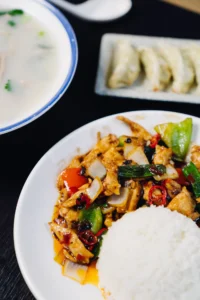
Indeed, knowledgeable hostesses explain the fascinating history behind every course. This unique educational element enriches the meal significantly for diners.
Discovering Luxury London Chinese Gastronomy Daily
Interestingly, culinary critics constantly praise these remarkable cultural food fusions. Prominent food magazines feature innovative Chinese chefs on covers regularly.
Therefore, public interest in upscale Asian cuisine grows exponentially today. People happily travel across major cities to taste phenomenal creations.
Health Benefits Meet Extraordinary Taste
Moreover, skilled cooks balance nutritional value alongside incredible mouth-watering tastes. They utilise nourishing bone broths and medicinal herbs constantly.
Consequently, guests leave the dining room feeling completely revitalised afterward. This mindful approach perfectly matches modern healthy lifestyle trends today.
A Living Legacy for Tomorrow
In conclusion, luxury Chinese gastronomy deeply respects its historical roots. Simultaneously, ambitious culinary artists constantly push exciting new creative boundaries.
Consequently, this vibrant food culture remains incredibly relevant and popular. Diners worldwide clearly appreciate this brilliant, evolving blend of art.